Crop-science formulas describe how crops respond on average. Every farm has patterns those averages miss, such as how a dry spell hits one particular soil. A model trained on weather and soil records can learn patterns like these.
The key is how the two are combined. Using the formula as the baseline and letting the model correct it, rather than replace it, keeps a prediction grounded in established science. It also means you can always see how much of a number came from each part.
Prediction = science-based baseline + learned correction
In the AgrivaCT pilot
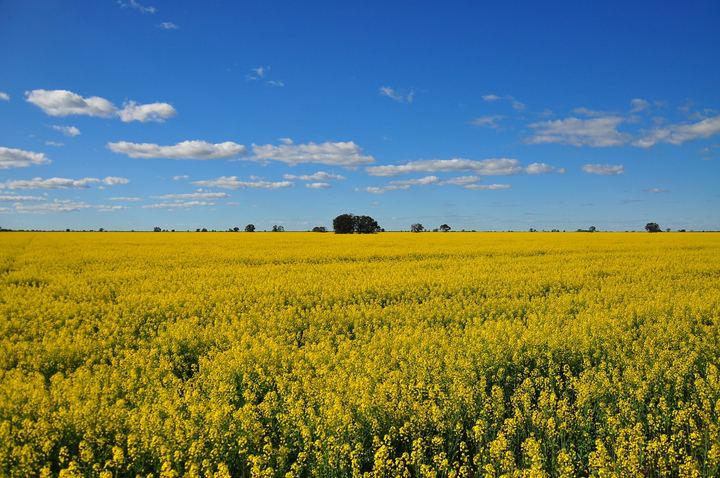
The pilot uses an XGBoost model as the correction layer and shows both layers. It is provisional: it is trained on simulated canola seasons and has not yet been validated on real paddocks.